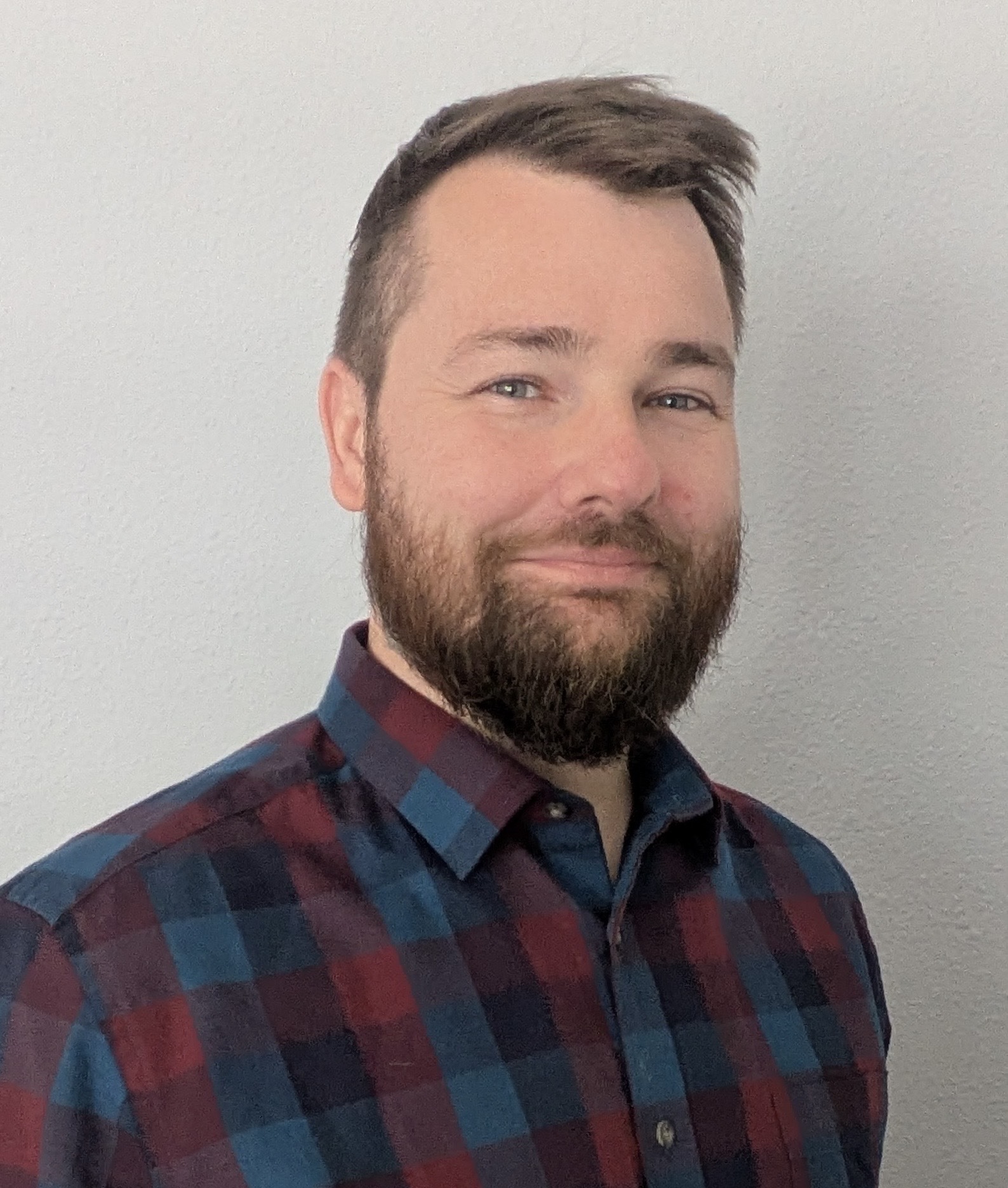
Ben Lyons
Associate Professor, Department of Communication
Ben Lyons is an Associate Professor of Communication at the University of Utah and a 2026-27 Andrew Carnegie Fellow with the Andrew Carnegie Foundation. He studies the intersection of media, politics, and public understanding of science. Prior to joining Utah, he was a Research Fellow at the University of Exeter (2017-2019) and the Martin Fishbein Postdoctoral Fellow at the Annenberg Public Policy Center of the University of Pennsylvania (2016-2017). He serves as an Associate Editor for the Harvard Kennedy School Misinformation Review. His book Misinformation and the Aging American (2026) is forthcoming from Oxford University Press.

Research Areas
Misinformation, News Discernment, and Epistemic Overconfidence
Much of my research examines why people struggle to distinguish reliable information from misinformation and how this might be improved.
Selected publications
Overconfidence in News Judgements is Associated with Susceptibility to False News (PNAS, 2021)
Overconfidence in Ability to Discern Cancer Misinformation: A Conceptual Replication and Extension (Human Communication Research, 2025)
A Health Media Literacy Intervention Increases Skepticism of Both Inaccurate and Accurate Cancer News Among U.S. Adults (Annals of Behavioral Medicine, 2024)
Aging and Online Information Environments
I am especially interested in how aging populations navigate information environments.
Selected publications
Misinformation and the Aging American: The Paradox of Engagement and Truth Discernment (Oxford University Press, 2026)
Exposure to Low-Credibility Online Health Content Is Limited and Is Concentrated Among Older Adults (Nature Aging, 2026)
Partisanship and Older Americans’ Engagement with Dubious Political News (Public Opinion Quarterly, 2024)
Older Americans Are More Vulnerable to Prior Exposure Effects in News Evaluation (HKS Misinformation Review, 2023)
Political Polarization and Democratic Resilience
Another strain of my work examines partisan misperceptions, affective polarization, and interventions designed to strengthen democratic resilience. This research stream also includes my current book project, How Generations Polarize, which examines how age cohorts experience and contribute to political polarization in distinct ways.
Selected publications
Megastudy Testing 25 Treatments to Reduce Antidemocratic Attitudes and Partisan Animosity (Science, 2024)
The Effects of Unsubstantiated Claims of Voter Fraud on Confidence in Elections (Journal of Experimental Political Science, 2021)
Self-Affirmation and Identity-Driven Political Behavior (Journal of Experimental Political Science, 2021)
Andrew Carnegie Fellowship (2026–27): How Generations Polarize: Understanding Age-Structured Polarization and the Future of Democratic Resilience
Science Communication and Expertise
An additional area of research examines how people form beliefs about science, risk, and expertise.
Selected publications
How Orientations to Expertise Condition Acceptance of (Mis)Information (Current Opinion in Psychology, 2023)
When Experts Matter: Variations in Consensus Messaging for Vaccine and GMO Safety (Public Understanding of Science, 2023)
Communicating Republicans’ Level of Support for Climate Policy Briefly Increases Personal Support in the United States (Science Communication, 2024)
Proximity (Mis)Perception: Public Awareness of Nuclear, Refinery, and Fracking Sites (Risk Analysis, 2020)
Shifting Medical Guidelines: Compliance and Spillover Effects for Revised Antibiotic Recommendations (Social Science & Medicine, 2020)
Methods, Measurement, and Theory Testing
Finally, a cross-cutting theme throughout my research is improving how communication scholars measure outcomes of interest and test theories. Across projects, I am interested in questions of replication, generalizability, and construct validity.
Selected publications
Why We Should Rethink the Third Person Effect: Disentangling Bias and Earned Confidence Using Behavioral Data (Journal of Communication, 2022)
On this note I am currently co-guest editing a special issue with Ye Sun and Adrian Meier:
- Who Are We Studying in Communication Research? Revisiting Audience in a Transforming Media Environment (Human Communication Research, in progress)
*A full publication list is available here CV and on Google Scholar.